
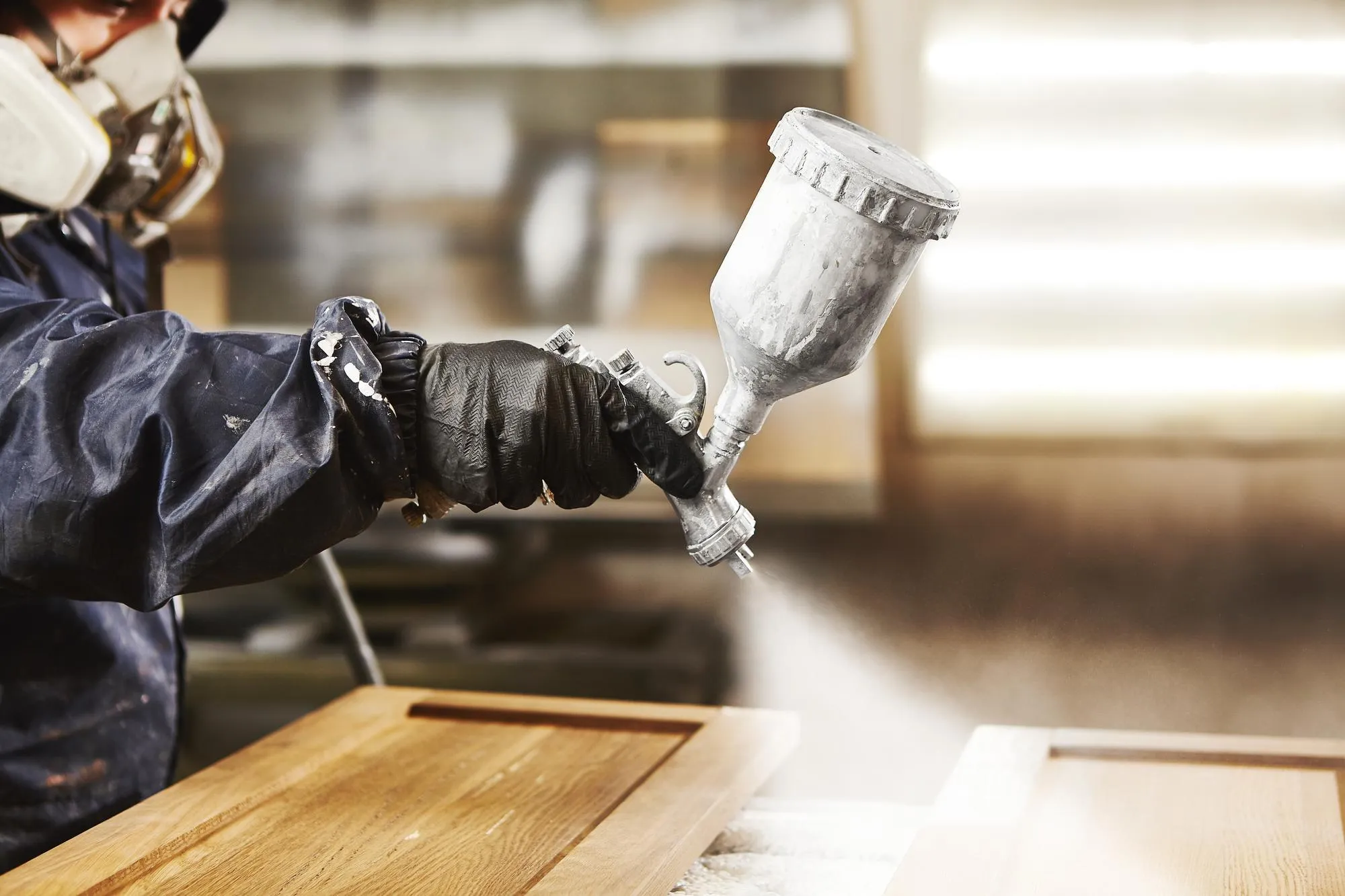
When it comes to painting cabinets, two primary methods come to mind: spray painting and brush painting. Both offer their own set of advantages and are suited for different needs and preferences. In this detailed comparison, we’ll dive deep into each method, examining the pros and cons to help you determine which one is best for your project. Whether you’re refreshing your kitchen cabinets or upgrading your bathroom vanity cabinets, understanding the differences between spray painting and brush painting will guide you toward the best decision.
1. Speed and Efficiency
One of the most significant differences between spray painting and brush painting is the time it takes to complete the job.
Spray Painting:
Spray painting is significantly faster than brush painting. A spray gun can cover large areas with an even coat of paint in a short amount of time, allowing for quicker completion of the project. This method is ideal if you’re painting multiple cabinets or larger surfaces because it reduces the amount of time spent on each individual piece.
Additionally, spray painting provides an even coat without the need for repetitive brushing strokes or back-and-forth movements. This allows professional painters to finish the job faster without compromising on quality.
Brush Painting:
Brush painting, on the other hand, is a more methodical process. It requires more time and precision because you need to work your way around edges, corners, and grooves, ensuring an even coat. While it’s slower than spraying, it can be beneficial for detailed or intricate areas where a spray gun might not be able to reach.
2. Finish Quality
The finish of your cabinet painting will largely depend on the technique you use.
Spray Painting:
Spray painting generally delivers a smoother, more flawless finish. Because the paint is atomized and sprayed in a fine mist, it tends to form an even layer over the surface without the brush marks or texture that can occur with brush painting. This results in a more professional, factory-like finish.
Spray painting also helps in areas with intricate details, such as carved or patterned cabinet doors, where a brush may leave uneven strokes. For a high-gloss, smooth look, spray painting is often the preferred method.
Brush Painting:
Brush painting can still provide an excellent finish, especially if you use high-quality brushes and techniques. However, achieving a smooth finish can be more challenging, especially for beginners. Brush strokes can be visible, and if not applied correctly, the finish can look uneven. The paint may also pool in certain areas, leaving behind blotches or thick spots.
For those seeking a textured, natural look, brush painting can offer a slightly more rustic or handmade feel. However, for the clean, smooth finish that many homeowners desire, spray painting is often the better choice.
3. Preparation and Clean-Up
Both spray painting and brush painting require preparation and clean-up, but the process differs in complexity.
Spray Painting:
Spray painting typically requires more preparation because you must protect surrounding areas from overspray. This involves covering floors, countertops, and nearby objects with drop cloths or plastic sheeting. You may also need to mask off areas that you don’t want to paint, which can take additional time.
Additionally, cleaning the equipment, such as the spray gun, can be a bit more involved. You’ll need to ensure that the nozzle and other parts are properly cleaned after each use to prevent clogging.
Brush Painting:
Brush painting usually requires less preparation in terms of protecting surrounding areas. While it’s still important to mask off areas, the amount of overspray is minimal compared to spray painting. Additionally, cleaning a paintbrush is relatively simple compared to cleaning a spray gun—just rinse the brush with water (for water-based paints) or solvent (for oil-based paints), and you’re done.
However, the overall cleanup time after a brush painting project is still considerable, especially if you’ve applied several coats of paint.
4. Cost
Cost is often a deciding factor when choosing between spray painting and brush painting.
Spray Painting:
Spray painting can be more expensive upfront due to the need for a spray gun, compressor, and other equipment. If you hire professionals for a spray painting project, labor costs may also be higher because it requires more specialized tools and techniques. However, spray painting can be cost-effective in the long run due to the faster completion time.
Brush Painting:
Brush painting is typically more affordable because you only need brushes and minimal equipment. If you’re doing the job yourself, the initial investment will be lower. However, it might take more time to complete, and if you’re using high-end brushes and multiple coats of paint, the cost may rise.
5. Durability
The durability of the finish largely depends on the quality of materials used and how well the job is executed.
Spray Painting:
When done correctly, spray painting tends to result in a more durable finish. The even coat of paint creates a stronger bond to the surface, reducing the likelihood of chipping or peeling over time. Spray painting also works well with high-quality paint that can resist moisture and wear, which is particularly important for cabinets in high-use areas like kitchens and bathrooms.
Brush Painting:
Brush painting can still offer a durable finish, but it may require extra care to achieve a consistent coat. If brush strokes are too thick, the paint may peel or chip more quickly. Additionally, achieving a durable finish can be difficult with less experienced painters.
6. Best Use Cases
Ultimately, the choice between spray painting and brush painting depends on the scope and specifics of your project.
Spray Painting:
- Best for large, flat surfaces or multiple cabinets.
- Ideal for achieving a smooth, flawless, and high-gloss finish.
- Great for intricate, detailed areas where a brush may miss spots.
- Ideal for homeowners looking for fast results with professional-quality finish.
Brush Painting:
- Works well for smaller, more detailed projects.
- Perfect for textured or rustic looks.
- Ideal for homeowners with a limited budget or those working on smaller-scale projects.
- Offers a more hands-on approach, allowing for personal touches and a unique finish.
Conclusion
In the debate of spray painting vs. brush painting, the right choice depends on your goals, budget, and the look you’re trying to achieve. If you’re looking for a smooth, professional, factory-like finish and want to get the job done quickly, spray painting is the way to go. If you prefer a more hands-on approach and are looking for a rustic or textured look, or if you’re working with smaller, more intricate cabinets, brush painting can still provide excellent results.
For the best results, especially for kitchen and bathroom cabinets, professionals specializing in Spray Painting can ensure that your project is completed with precision, speed, and the highest quality finish.

